

 See My Latest Article on HelloNation
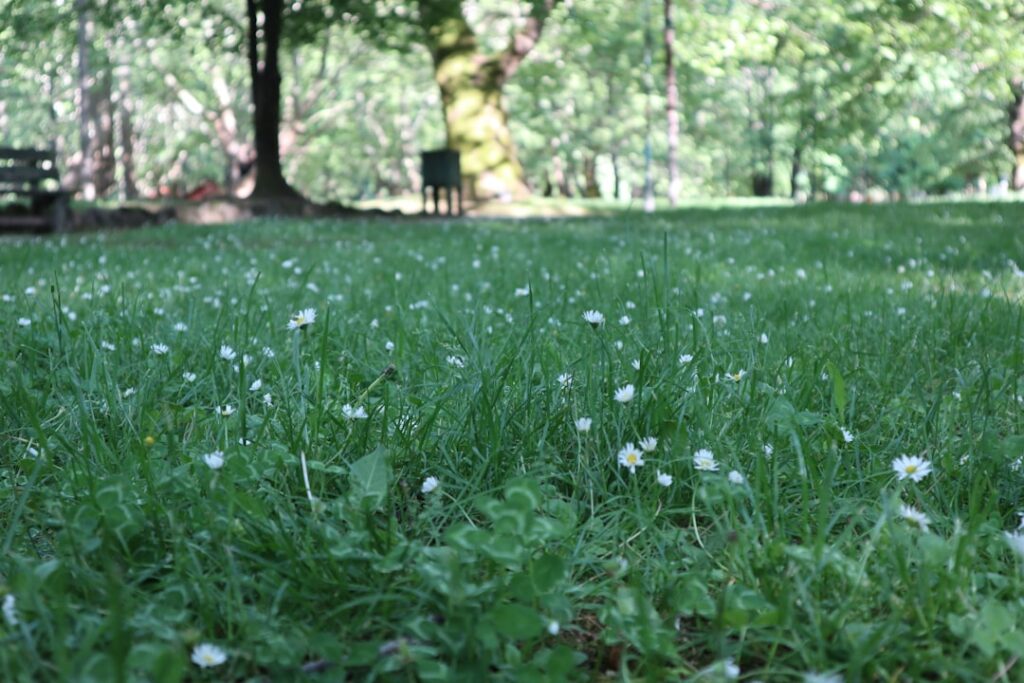
Maintaining a lush, green lawn in Tippecanoe County, IN, is a source of pride for many local homeowners. With the changing Midwest seasons and the county’s diverse soils, weeds can easily become an unwelcome guest in our yards. Fortunately, you don’t have to rely on harsh chemicals or expensive solutions to reclaim your turf. There are plenty of effective natural methods to get rid of weeds while keeping your lawn healthy and eco-friendly.
Why Choose Natural Weed Control in Tippecanoe County?
Residents of Tippecanoe County value the outdoors, with local parks, rivers, and backyard barbecues playing a big part in community life. Natural weed control methods are safer for pets, kids, and pollinators, and keep our local waterways cleaner by reducing chemical runoff. Plus, with Purdue University’s agricultural expertise nearby, there’s a strong appreciation for sustainable yard care solutions.
Understand the Weeds in Your Lawn
Before starting any weed control program, it's important to identify what you’re dealing with.
- Common weeds in Tippecanoe lawns: Dandelions, crabgrass, clover, chickweed, and plantain.
- Why they thrive: Weeds often invade thin, compacted, or stressed lawns. Understanding why weeds are happy in your yard helps you prevent their return.
Step 1: Cultivate a Strong Lawn Foundation
The best defense against weeds is a dense, healthy lawn.
- Mow High: Set your mower blade to 3-4 inches. Taller grass shades the soil, making it harder for weed seeds to sprout.
- Don't Scalp the Lawn: Removing too much leaf blade at once stresses the grass and allows weeds to fill the gaps.
- Overseed Bare Spots: Early fall is ideal in Tippecanoe County. Overseed with a quality, region-appropriate grass blend.
Step 2: Manual Weed Removal
Hand-pulling is one of the most effective and truly natural ways to get rid of weeds, especially in smaller yards.
- Pull After Rain: Moist soil makes it easier to remove weeds, roots and all.
- Use the Right Tools: A long-handled weeder or a dandelion digger makes it easier to extract deep-rooted invaders.
- Be Persistent: Weed throughout the growing season, as removing weeds before they set seed prevents future problems.
Step 3: Mulch and Smother
Mulching isn’t just for flower beds; it can benefit your lawn and garden edges as well.
- Grass Clippings: Leave them on your lawn after mowing (a process called “grasscycling”). This feeds your soil and shades out weed seeds.
- Natural Mulch: For pathways or garden borders, apply a thick layer (2-3 inches) of shredded wood, straw, or leaf mold to prevent weeds.
Step 4: Homemade Natural Weed Remedies
Several pantry staples can help target weeds without harming the earth:
- Boiling Water: Pour directly onto weeds in cracks or along walkways. This method is very effective but should be used carefully to avoid desirable plants.
- Vinegar Spray: Mix household vinegar with a few drops of dish soap. Spray directly onto weeds on a hot, sunny day for best results. Note: Vinegar is non-selective; it will harm grass and flowers if sprayed indiscriminately.
- Corn Gluten Meal: Applied early in spring, it prevents certain weeds (like crabgrass) from germinating. Apply at recommended rates; this method works best as a preventive step.

Step 5: Maintain Good Lawn Practices
A healthy lawn is your best long-term weed control. Here are some, especially relevant for Central Indiana lawns:
- Water Deeply and Infrequently: Aim to soak the lawn once a week rather than shallow watering each day. This encourages roots to grow deep, making grass more resilient than weeds.
- Aerate Annually: Late summer or early fall is the best time in Tippecanoe County to aerate compacted soils, allowing air, water, and nutrients to reach roots.
- Fertilize Organically: Using compost or an organic fertilizer each fall and spring builds healthy soil, which is less attractive to weeds.
Address Unique Tippecanoe County Challenges
Indiana weather brings heavy spring rains and dry midsummer periods. Lawns in this region may struggle during summer, opening the door for opportunistic weeds. Adapt your strategies to local conditions:
- After heavy rain: Patrol your lawn for new weeds, which often sprout after storms.
- During dry spells: Raise your mowing height and avoid lawn stress.
Community and Sustainability
Many Tippecanoe County residents participate in community gardening, maintain pollinator-friendly yards, or live near waterways like the Wabash River. Natural weed control fits with this environmentally conscious lifestyle and helps preserve our county’s natural beauty for future generations.
When to Seek Local Advice
If your weed problem persists despite your efforts, don’t hesitate to reach out to local lawn care experts or Purdue Extension for recommendations tailored to our region’s climate and soil.
Final Thoughts
Natural weed control takes patience, but the benefits extend beyond your backyard. By following these steps, you’ll build a healthier, more resilient lawn and contribute to the vibrant outdoor life that makes Tippecanoe County such a special place to call home.
Whether you’re hosting a summer barbecue, playing fetch with your dog, or simply enjoying the view from your porch, a weed-free yard—achieved the natural way—brings peace of mind and lasting beauty to your local landscape.