

 See My Latest Article on HelloNation
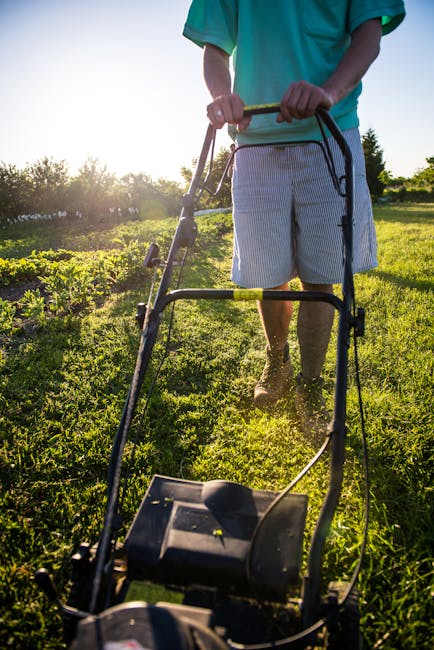
If you live in Tippecanoe County, IN, you know the pride that comes with a well-manicured lawn. Whether you’re hosting summer barbecues at Happy Hollow Park & Zoo or enjoying a quiet weekend at home, the state of your lawn says a lot about your home and lifestyle. But how often should you mow your lawn to keep it looking its best throughout the seasons? The answer depends on several key factors, including lawn type, climate, and your individual goals for curb appeal and outdoor enjoyment. Here’s what every Tippecanoe homeowner needs to know.
Why Lawn Mowing Frequency Matters
Mowing your lawn isn’t just about making things look neat. The right mowing schedule helps:
- Promote healthy grass growth
- Prevent lawn diseases common to our region
- Reduce weed infestations
- Conserve water, especially important when Indiana weather turns dry
If you mow too infrequently, your grass can become overgrown, uneven, and susceptible to stress and disease. Mow too often or too short, and you risk scalping the lawn—a common mistake during Tippecanoe County’s hot summers.
Understanding Tippecanoe’s Lawn Types and Growing Season
Most lawns in Tippecanoe County are planted with cool-season grasses, such as Kentucky bluegrass, perennial ryegrass, and fine fescue. These grasses thrive in our fluctuating Indiana climate, showing their best growth during the cooler spring and fall months and often slowing down or going dormant in the heat of midsummer.
Spring and fall are when your lawn will need the most attention. Lawns generally experience the fastest growth in late April through June and again from late August through October.
General Mowing Guidelines for Tippecanoe County, IN
The single most asked question is, "How often should I mow my lawn?" Here’s a practical answer for our area:
- During peak growth (spring and early fall): Mow every 5–7 days.
- In summer when growth slows: Mow every 7–14 days, depending on rainfall and irrigation.
- During dry periods: Consider mowing less frequently, and never remove more than one-third of the grass blade at any mowing.
- Dormant or slow growth (late fall, drought): You may only need to mow every 2–3 weeks, or even pause completely until the grass resumes growth.
Tip: Keep your mower blades sharp. Dull blades can rip grass blades, leading to a ragged appearance and increased disease risk.
The One-Third Rule: A Local Lawn Care Essential
For lawns in Tippecanoe County, always follow the “one-third rule”—never remove more than one-third of the grass blade’s height in a single mowing. For most cool-season grasses, this means:
- If your optimum lawn height is 3 inches, mow before the grass reaches 4–4.5 inches tall.
- This helps the lawn photosynthesize efficiently, develops deeper root systems, and maintains resilience against Indiana’s summer heat.
Adjusting for Local Weather and Events
Tippecanoe County’s weather can change quickly. Scheduling your mowing around weather patterns is wise:
- After heavy rain: Wait until the lawn dries to avoid compaction and mower ruts.
- Before major heatwaves: Raise the mower deck a notch to leave grass longer, which shades roots and conserves soil moisture.
- Ahead of local events: Planning a graduation party at home? Mow 1–2 days before your event for that fresh, vibrant look.
Special Considerations for Tippecanoe County Homeowners
1. Community Activities & Lawn Usage
With Purdue University nearby and outdoor community celebrations plentiful, your lawn might see more foot traffic than average. Higher use may warrant slightly more frequent mowing to keep the grass strong and encourage recovery from wear.
2. Environmental Responsibility
Tippecanoe County residents care about their Wabash River watershed. Mowing at the right height and frequency helps your lawn develop deeper root systems, which reduce runoff and keep fertilizers from washing into our waterways.
Common Questions Tippecanoe Residents Ask
*“Should I bag or mulch my clippings?”*
Mulching clippings returns valuable nutrients to the soil and is recommended unless the grass is exceptionally long or wet.
*“How short can I cut before winter?”*
The last mow of the season can be slightly shorter—about 2–2.5 inches. This discourages snow mold and rodent activity as winter sets in.
*“Is professional mowing necessary?”*
While many enjoy lawn care as a DIY weekend activity, hiring a professional service can be a smart choice for busy families or those with larger properties, especially during peak growing months.
Creating Your Lawn Mowing Calendar
Every yard is unique, but here’s a sample mowing schedule for Tippecanoe County:
- Mid-April–June: 1x per week
- July–Mid-August: Every 10-14 days (depending on rainfall)
- Late August–October: 1x per week
- November (final mow): Lower the height slightly before winter
Stay flexible! Adjust your schedule based on your lawn’s appearance, weather, and personal needs.
Summary: A Healthy Tippecanoe Lawn Starts With a Consistent Mow
Mowing frequency is about more than looks: it’s the foundation for a healthy, resilient lawn that can be enjoyed all year round. In Tippecanoe County, following these guidelines will help you adapt to local grasses, weather, and community lifestyle—ensuring your lawn looks its best, whether you’re hosting friends, family, or just enjoying the view.
For more personalized advice, local garden centers and professional lawn services in Tippecanoe County are always happy to help answer your questions. A beautiful, well-maintained lawn is right at your doorstep with the right mowing routine!