

 See My Latest Article on HelloNation
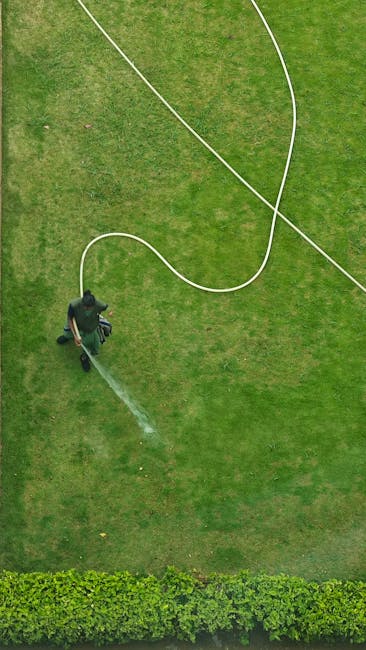
Anyone who owns a home in Tippecanoe County, Indiana, knows that a green, healthy lawn doesn't just happen by accident. Proper watering is one of the most crucial elements to maintaining beautiful turf year after year, but many homeowners aren't sure how much or how often their grass actually needs water—especially with the variable weather in our area. If you want to maximize the health and appearance of your lawn while being mindful of local water resources, these lawn watering tips are tailored for Tippecanoe County's unique climate and community lifestyle.
Understand the Local Climate
Living in Tippecanoe County means dealing with shifts between humid summers, rainy springs, and sometimes-dry late summers. Knowing your environment helps you determine when and how much to water your lawn.
- Tippecanoe County typically experiences heavier rainfall in spring and early summer, but the weather can turn dry in late July and August.
- The soil type in much of the area is a mix of clay and loam, which affects water retention—clay holds water longer, while sandy areas drain faster.
Being aware of these local variations lets you make smarter choices regarding irrigation patterns throughout the growing season.
When Is the Best Time to Water Grass?
Timing matters just as much as quantity. For Tippecanoe County lawns, early morning is ideal, typically before 10 a.m. Watering early gives your lawn time to absorb moisture before it evaporates during hot, sunny afternoons. This schedule also allows blades of grass to dry out before nightfall, which helps prevent disease.
- Avoid watering in the evening, as extended moisture on grass overnight creates an ideal environment for fungal growth.
- If morning is impossible, late afternoon (before 6 p.m.) is a secondary option, but do not wait too late.
How Much Water Does a Lawn Need?
On average, lawns in central Indiana need about 1 to 1.5 inches of water per week, whether from rainfall or irrigation. Overwatering is just as harmful as underwatering—it leads to shallow root systems, disease, and increased weed problems.
- Use a rain gauge or a small tuna can to measure how much water your sprinkler system provides.
- Adjust for rainfall. If we’ve had an inch of rain this week, you can skip your regular watering cycle.
- Deep, infrequent watering is best. Rather than watering daily, aim for two to three deep soaks each week. This encourages deep root growth, which helps your grass withstand dry spells and heat waves.
Adjusting to Tippecanoe County Weather Patterns
Seasons in Lafayette, West Lafayette, and surrounding communities can be unpredictable. It’s not uncommon to have a dry stretch followed by heavy rain. Here’s how you can adapt:
- Monitor local weather forecasts and adjust your irrigation schedule accordingly.
- During periods of drought, lawns may go dormant and turn brown—but this is a natural survival mechanism. Avoid the urge to overwater. Grass will bounce back with regular rainfall.
- If water restrictions are enacted in Tippecanoe County during dry spells, prioritize your watering for high-traffic areas or newly seeded lawns.
Which Irrigation Systems Work Best Here?
Depending on your property and lifestyle, you may prefer different watering systems:
- Hose and Sprinkler: Flexible and affordable for most average-sized city and rural lots.
- In-Ground Irrigation: Convenient for large properties and allows for programmable schedules, perfect for busy Boilermaker families.
- Soaker Hoses or Drip Systems: Great for gardens or hard-to-reach lawn areas, leading to less water waste.
Keep in mind that many local residents in Tippecanoe County enjoy block parties, picnics, and outdoor sports. Plan your watering schedule around times when the grass will get the most downtime to absorb water and recover from foot traffic.
Signs Your Lawn Might Need More (or Less) Water
Pay attention to what your lawn is telling you. Here are some easy signs to watch for:
- Grass blades are wilting or turning a bluish-gray shade.
- Footprints remain visible on the lawn long after someone has walked across it.
- The soil feels hard and dry an inch below the surface.
On the flip side, signs of overwatering include:
- Mushy ground, standing water, or runoff.
- Excessive thatch buildup or an increase in fungus and mushrooms.
Water Conservation Tips for Tippecanoe County Residents
Many local families and students in the Purdue University area care about sustainability. You can conserve water while still keeping your lawn healthy:
- Collect rainwater in barrels for use during dry periods.
- Set mower blades higher—taller grass shades roots and reduces evaporation.
- Use mulch around landscaping to keep soil moist.
- Fix leaky hoses, sprinklers, and irrigation systems promptly.
Frequently Asked Questions About Lawn Watering in Tippecanoe County
How do I know if I’m watering my lawn enough?
Use a simple screwdriver test: insert a screwdriver into the soil after watering. It should penetrate easily to a depth of 6 inches, letting you know water is reaching the root zone.
Should I water my lawn during a heatwave?
Yes, but stick to early morning hours and be cautious not to overwater. Grass may look stressed, but avoid flooding it. Dormancy is temporary and grass will recover.
Is it better to water longer and less often, or shorter and more often?
Always opt for longer, deeper watering less often. This helps develop drought-resistant roots, which is key for making it through Tippecanoe County's hot, dry spells.
Partnering with Local Resources
Tippecanoe County residents can take advantage of local Extension Office resources, Purdue University turf management guidance, and city water-saving programs. These organizations often offer classes, testing, and advice based on the latest science and local conditions.
Final Thoughts
Taking care of your lawn is more than just a chore—it’s a way to enjoy the outdoors with neighbors, host backyard barbecues, and take pride in your property. By following these lawn watering tips suited for Tippecanoe County’s unique lifestyle and climate, you’ll keep your grass healthy, conserve resources, and make your home’s curb appeal the envy of the block.