

 See My Latest Article on HelloNation
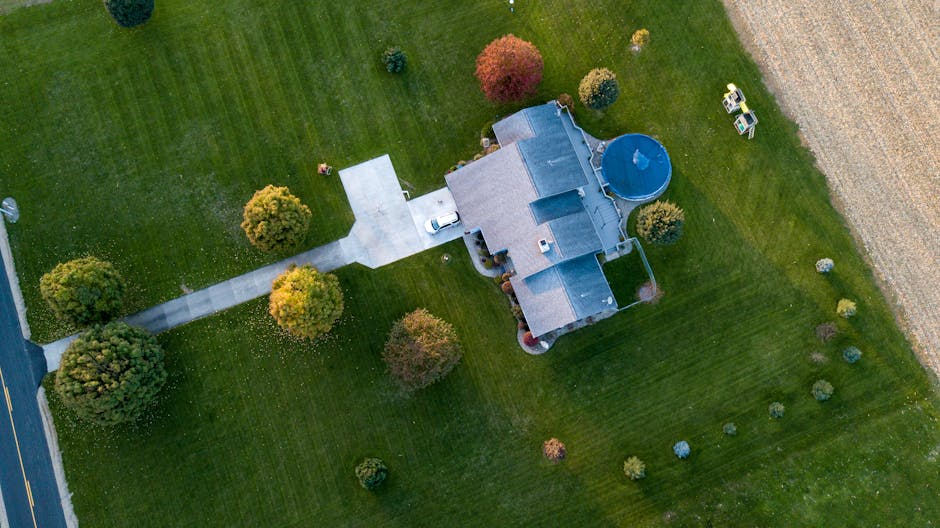
Why Do Lawns in Tippecanoe County, IN Need Aeration?
Aerating a lawn helps the soil breathe by allowing water, air, and nutrients to reach grass roots more effectively. In Tippecanoe County, clay-heavy soils and seasonal compaction make this practice especially useful for maintaining a healthy yard.
Residents often notice lawns looking patchy or thin, especially in areas with frequent foot traffic or after a wet winter. When the soil becomes compacted, roots struggle for resources and lawn health declines. Aeration is a proven way to address these issues by relieving pressure in the soil, creating small holes that act as channels for essentials to flow deeper into the ground.
What Signs Indicate a Lawn Needs Aeration?
A few clear signs suggest a lawn can benefit from this process:
- Water puddling or running off instead of soaking in
- Grass that feels spongy or overly firm underfoot
- Thinning, yellowing grass despite regular care
- Shallow root systems, visible by digging a small section of turf
Lawns in Tippecanoe County are especially vulnerable after local events like heavy spring rains or children playing in the yard. These common activities compress the soil, restricting root development.
How and When Should Aeration Be Done Locally?
The best time to aerate cool-season grasses common in Tippecanoe County is in early fall (September through mid-October), when roots are actively growing and temperatures support recovery. Spring is also suitable, but fall aeration typically yields better results due to reduced weed pressure and more stable soil moisture.
For most area lawns:
- Plan to aerate when the ground is moist but not soggy (after rainfall, but not immediately afterward)
- Avoid periods of extreme heat or drought, as this can stress grass further
- Aerate every 1-3 years, depending on soil type, lawn usage, and visible compaction
What Tools Work Best for Aeration in Tippecanoe County?
Core (plug) aerators and spike aerators are common options. A core aerator is usually the preferred choice for the compact clay and loam soils often found in local yards.
- Core aerators pull cylindrical plugs of soil out, creating space for air and water; these plugs decompose on the lawn, improving soil structure
- Spike aerators simply poke holes without removing soil; these can sometimes contribute to further compaction, especially in heavy clay
For homeowners with small lawns or minimal compaction, manual aerators may suffice. Larger yards or heavily compacted areas do best with machine aerators, which can often be rented locally.
What Steps Should You Follow During the Aeration Process?
A methodical approach ensures effective results:
1. Water the lawn one day prior so the soil is moist, not muddy.
2. Mark obstacles such as irrigation heads or utility boxes.
3. Make multiple passes over compacted or high-traffic areas.
4. Leave extracted soil plugs on the surface, where they will break down naturally.
5. Follow aeration with overseeding, fertilization, or compost topdressing to maximize root health and soil improvement.
Local soil often benefits from these add-on practices, which help grass recover quickly and outcompete weeds. Tippecanoe County’s variable rainfall can make timing tricky, so watch the forecast for extended dry or wet spells.
Can Aeration Harm My Lawn?
When lawn aeration is performed at the right time and under suitable conditions, the process is highly unlikely to cause lasting harm. Temporary roughness or muddy appearance may occur, but this improves as plugs break down and grass fills in.
A common misconception is that frequent aeration is always better; in reality, over-aerating can cause unnecessary soil disturbance or stress, especially in sandy soils, which are less common locally. Stick to the 1-3 year guideline, starting with compacted or troubled areas.
What Can Go Wrong or Get Overlooked?
A few local considerations sometimes escape notice:
- Aerating during a drought or heatwave can worsen stress on grass
- Attempting the process on dry, rock-hard soil may damage equipment and produce ineffective results
- Failing to overseed after aeration misses an opportunity for thicker, more resilient grass growth
- Not identifying underground utilities before deep aeration, which can pose a safety risk
Some local lawns have sections shaded by mature trees, which may require more frequent aeration due to root competition and limited sunlight.
How Does Aeration Fit into a Broader Lawn Care Routine?
Aeration is just one aspect of a robust lawn care strategy. It pairs well with fertilizing, overseeding, proper watering, and responsible mowing. In Tippecanoe County, integrating aeration into a seasonal lawn care plan helps lawns stay resilient through both wet springs and summer dry spells. Even healthy-looking lawns benefit from occasional aeration, which can reduce compacted “hot spots” and sustain thick, green turf for years.