

 See My Latest Article on HelloNation
How Does Summer Heat Affect Lawns in Tippecanoe County, IN?
Hot, dry periods in Tippecanoe County can quickly stress turfgrass, leading to brown patches, thin growth, and weed invasions. Local cool-season grasses such as Kentucky bluegrass, perennial ryegrass, and fescue naturally slow down in extreme heat. Prolonged sun and infrequent rainfall create conditions where lawns lose moisture faster than their roots can replace it, and shallow watering or improper mowing can worsen the problem.
What Time Is Best for Watering Grass Locally?
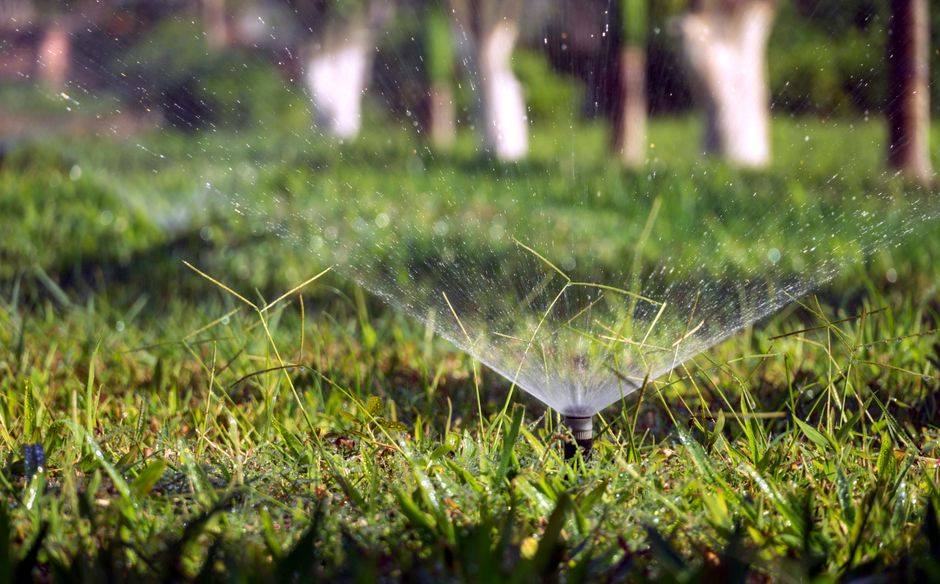
Early morning is the ideal watering window for area households—usually between 4 a.m. and 9 a.m. At this time, temperatures are still low, and winds are calmer, allowing more water to soak into the soil rather than evaporating. Watering late in the evening can leave lawns damp overnight, increasing disease risk, while midday watering mostly evaporates before reaching the roots.
A deep, infrequent soak is preferred:
- Aim for about 1 to 1.5 inches of water per week, including rainfall
- Use a rain gauge or an empty tuna can to monitor sprinkler output
- Apply water until the top 6 to 8 inches of soil is moist
How Can Residents Prevent Drought Stress Without Overwatering?
Consistent deep watering supports root growth but excessive irrigation can harm lawns and waste resources. Look for signs before watering:
- Grass blades folding lengthwise or footprints that linger indicate drought stress
- Avoid watering daily—most lawns perform better when soil dries somewhat between irrigations
Especially during local water advisories or drought conditions, consider letting grass enter natural dormancy. Well-established cool-season turf generally recovers once rainfall resumes.
Should Lawns Be Mowed Differently During Heat Waves?
Raising the mower blade during peak summer helps maintain a healthy lawn. Taller grass shades roots and soil, reducing evaporation and heat stress. In Tippecanoe County, cool-season lawns should be cut to 3–4 inches in the summer:
- Never remove more than one-third of the blade in a single mowing
- Keep mower blades sharp to avoid tearing and brown tips
- Mow only when grass is dry to prevent disease spread
Leave clippings on the lawn if possible—mulched clippings return nutrients and help conserve soil moisture.
Are Fertilizer and Weed Control Safe During Hot Weather?
Fertilizer, especially high-nitrogen blends, can stress lawns during periods of high heat and drought. Applying fertilizer during heat waves risks burning turf. It’s generally best to:
- Avoid mid-summer applications of quick-release fertilizer
- Delay fertilization until temperatures moderate, typically in early fall for cool-season grass
- Target broadleaf weed treatments to cooler periods unless otherwise indicated by product labels
Manual weed removal is safer during intense heat but be careful not to disturb large areas of soil or healthy turf at once.
How Can Soil Health Support Lawn Resilience?
Healthy soil better absorbs and holds water, making lawns more resistant to heat. Residents sometimes overlook simple steps to improve soil quality:
- Aerate compacted soil in fall or spring to enhance water and air flow
- Topdress with a thin layer of compost once per season as organic matter helps retain moisture
- Test soil pH every few years; lawns thrive around pH 6.0–7.0
Lawns on clay-heavy soils common in parts of Tippecanoe County may need special attention to prevent runoff and pooling; amending with compost and avoiding heavy foot traffic during wet spells can help.
Are There Local Habits or Misconceptions That Hinder Lawn Health?
Some common local practices can inadvertently harm summer lawns:
- Frequent “light” watering encourages shallow roots, making grass less drought-tolerant
- Cutting grass shorter to “mow less often” can lead to burned, stressed lawns
- Overuse of hoses and sprinklers during heat waves can create patchy, muddy sections instead of fostering deep, healthy roots
Establish a regular summer lawn care routine based on real conditions and grass needs rather than calendar habits.
What Other Practices Help Lawns Stay Green During Hot Indiana Summers?
A few additional actions can help area residents maintain green, resilient turf:
- Use mulch or plant shade trees in sunny sections to moderate local microclimates over time
- Clean up lawn debris and adjust sprinkler heads to ensure even, efficient coverage
- If reseeding is needed, wait for late summer or early fall when temperatures cool but soil remains warm for germination
If lawns go dormant and brown but the crowns remain firm and white, grass will often rebound with cooler weather and rainfall.