

 See My Latest Article on HelloNation
Healthy grass usually needs less frequent, deeper watering rather than a little water every day. For established lawns in Tippecanoe County, IN, the goal is to moisten the root zone thoroughly, watch weather conditions, and adjust watering for soil type, shade, slope, and grass condition.
How much water does an established lawn need?
Most Indiana lawns need approximately 1 to 1½ inches of total water per week during active summer growth. That amount includes rainfall, so irrigation should make up only the difference between natural precipitation and the lawn’s needs.
This is a general range, not a fixed rule. A lawn may need less water during a cool, rainy week and more during extended heat, wind, or drought. Shallow soil, sandy areas, newly graded lots, and sunny slopes often dry out faster than level lawns with deeper soil.
Instead of watering automatically every day, check the lawn and soil first. Grass that remains upright and has reasonably moist soil below the surface may not need additional water.
Should grass be watered every day?
Established grass generally should not be watered lightly every day. Frequent, shallow watering encourages roots to remain close to the soil surface, where they dry out quickly. It can also create conditions that favor weeds, disease, and weak growth.
A better pattern is one thorough watering or two deeper waterings spaced several days apart. The soil should be moistened approximately 4 to 6 inches deep, where much of the active root system is located.
Allowing the upper soil to dry slightly between watering events encourages deeper rooting. This does not mean allowing the lawn to remain severely stressed for long periods. The purpose is to avoid keeping the surface constantly wet.
What is the best time of day to water?
Early morning is usually the most efficient time to water a lawn. Water applied during the morning has time to soak into the soil before the hottest part of the day, while grass blades can dry as temperatures rise.
Late-evening watering is less desirable because grass may remain wet overnight. Extended leaf wetness can increase the risk of certain lawn diseases, especially during warm, humid weather.
Midday watering is not automatically useless, but more water may be lost to evaporation, particularly on hot or windy days. If a lawn is showing severe stress, watering at a less-than-ideal time is still preferable to allowing the grass to decline further.
How can homeowners measure sprinkler output?
Sprinkler run time alone does not reveal how much water is reaching the lawn. Different sprinklers apply water at very different rates, and coverage may be uneven.
To measure output, place several shallow, straight-sided containers across the sprinkler’s coverage area. Empty food cans or similar containers work well. Run the sprinkler for a set period, then measure the water collected in each container.
This simple test shows:
- How much water the sprinkler applies
- Whether the lawn receives even coverage
- Which areas are being missed
- Whether runoff begins before enough water soaks in
If water starts running onto sidewalks or streets, pause the sprinkler and allow the soil to absorb the water before continuing. Shorter cycles with breaks between them can work better on compacted or sloped ground.
How should watering change for local soil and lawn conditions?
Soil affects how quickly water enters and how long it remains available to grass. Compacted soil may absorb water slowly, while sandy or disturbed soil may drain quickly. Heavy clay-like areas can hold water near the surface but may resist deep infiltration when dry.
Observe how water behaves after irrigation:
- Puddling suggests that water is being applied faster than the soil can absorb it.
- Runoff indicates that the application rate is too high or the soil is compacted.
- Very rapid drying may indicate shallow soil, exposed roots, full sun, or sandy conditions.
- Persistently wet areas may have poor drainage or excessive shade.
Lawns near foundations, driveways, streets, and newer construction can dry unevenly because of grading and reflected heat. Sprinkler zones may need to be adjusted rather than run for the same length of time everywhere.
How can grass show that it needs water?
Grass often signals drought stress before it turns completely brown. Look for blades that fold, lose their normal springiness, or remain flattened after people walk across them. A grayish or bluish-green cast can also indicate that the lawn is running short of moisture.
A practical test is to step on the grass. If footprints remain visible for an extended time, the lawn may be under stress. Check the soil with a screwdriver or hand trowel as well. Dry soil several inches below the surface is a stronger indication that watering is needed than a briefly wilted grass blade.
Some cool-season grasses may enter dormancy during prolonged summer heat. Dormant grass turns brown but may survive if its crowns and roots receive occasional moisture. Avoid frequent shallow watering simply to keep dormant grass green unless the lawn’s condition or household priorities justify the additional water use.
What changes for newly seeded grass or new sod?
New seed requires a different watering approach from an established lawn. The upper soil surface must remain consistently moist while seeds germinate. This may require light, frequent watering, especially during hot or windy weather.
As seedlings develop roots, gradually reduce watering frequency and increase the depth of each irrigation. Continuing a frequent misting schedule after the grass is established can produce shallow roots.
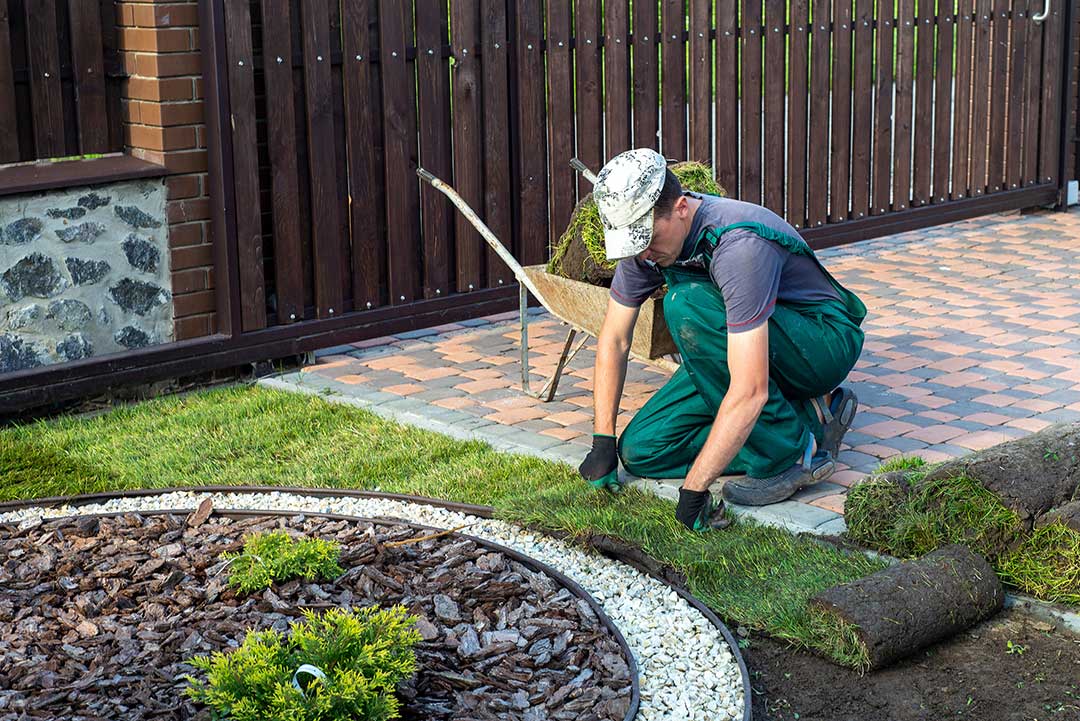
New sod should be watered soon after installation and kept moist throughout the rooting period. The soil beneath the sod should not be allowed to dry out. After the sod begins rooting firmly, watering can be reduced gradually to encourage deeper roots.
Newly seeded areas and sod are more vulnerable to drying than mature lawns, so they should be monitored separately from the rest of the yard.
How do mowing and watering work together?
Correct mowing can reduce the amount of irrigation a lawn needs. Cool-season grasses generally tolerate summer conditions better when they are maintained at a moderately tall height. Taller grass provides more leaf surface for photosynthesis and shades the soil, which slows moisture loss.
Avoid mowing drought-stressed grass if possible. Foot traffic and mowing can damage plants that are already struggling to maintain water in their tissues. When mowing is necessary, use sharp blades and avoid removing more than one-third of the grass height at a time.
Grass clippings can remain on the lawn when they are not excessively long or wet. They return small amounts of nutrients and organic material to the soil, although they do not replace the need for proper watering.
How can watering conserve water?
The most effective conservation step is to water based on need rather than by a rigid calendar. Rain gauges, sprinkler-can tests, and soil checks provide more useful information than sprinkler run time alone.
Additional practices include:
- Repairing leaking hose connections and sprinkler heads
- Directing spray away from pavement and buildings
- Dividing large irrigation areas into smaller zones
- Using a rain sensor or skipping irrigation after substantial rainfall
- Improving compacted areas gradually with aeration and organic matter
- Watering newly planted areas separately from established turf
In a community with changing summer rainfall, occasional deep watering is usually more beneficial than constant surface wetting. Good irrigation supports stronger roots, reduces waste, and helps lawns recover more effectively from the heat and dry periods common across the area.