

 See My Latest Article on HelloNation
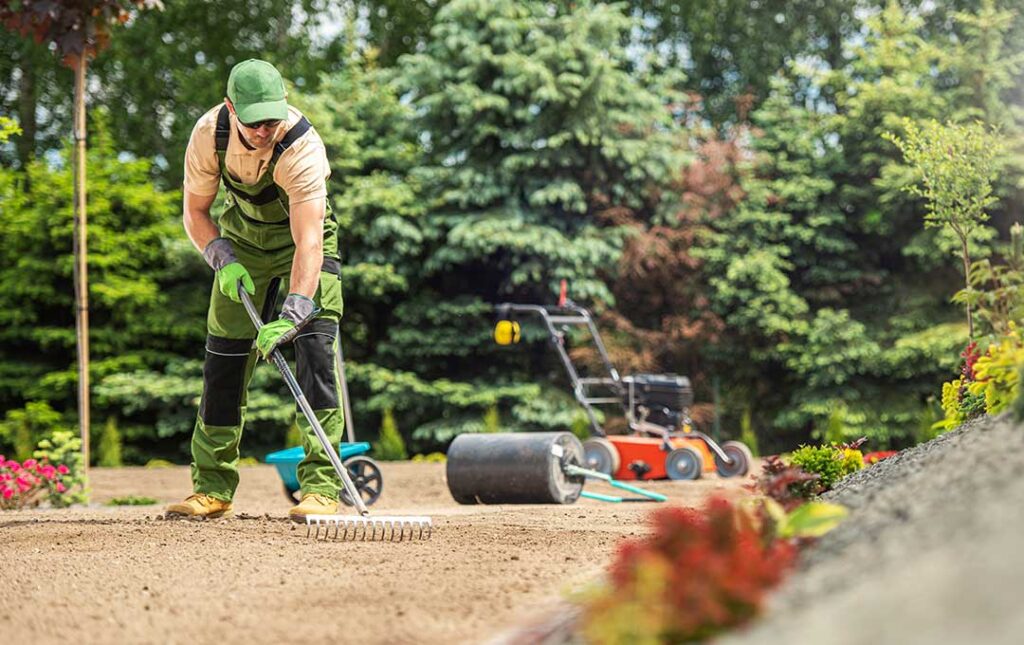
Brown areas in a lawn usually point to a specific stress rather than a single universal problem. The pattern, timing, and condition of the grass around the patch can help reveal whether the cause is drought, pet activity, insects, disease, compacted soil, or another issue.
For residents in Tippecanoe County, IN, brown patches may appear after hot summer weather, periods of heavy rain, winter damage, or repeated traffic across the same part of the yard. Correct identification matters because watering will not solve every problem, and some treatments can worsen the turf if used unnecessarily.
Is drought the most common cause of brown grass?
Yes, lack of available water is one of the most common reasons grass turns brown. During extended heat or dry weather, turf may become dull green, curl slightly, and eventually enter dormancy to protect its crowns and roots.
Drought stress often affects broad, exposed areas rather than creating sharply defined circles. Grass near sidewalks, driveways, foundations, and south-facing walls may brown first because these locations hold more heat and lose moisture faster.
Check the soil before watering. Push a screwdriver or narrow garden tool several inches into the ground. If the soil is hard and dry below the surface, the lawn may need a slow, thorough soaking. If the soil is already damp, another cause is more likely.
Dormant grass can recover after cooler weather and steady moisture, but completely dead turf will not green up without new growth.
What do circular brown patches mean?
Round or irregular brown patches may be caused by fungal disease, insect activity, pet urine, or localized soil problems. The edges often provide the best clue.
Signs that may point to a fungal disease include:
- A ring-shaped border with greener grass on the outside
- Fine white, gray, or orange growth on the blades
- Small dark spots on individual leaves
- Patches that expand during warm, humid weather
- Grass that appears matted after extended moisture
Fungal problems are more likely when lawns stay wet overnight, drainage is poor, mowing is infrequent, or grass is cut too short. Excessive nitrogen fertilizer can also produce soft, fast growth that is more vulnerable to disease.
Avoid treating every brown circle with fungicide. Several different problems look similar from a distance, and treatment is unlikely to help if the real cause is drought, compaction, or insects.
Can dog urine create brown spots?
Yes. Pet urine can create small brown patches, especially when the surrounding lawn is actively growing. Urine contains concentrated nitrogen and salts. A heavy deposit may damage the grass in the center while stimulating darker green growth around the outside.
These patches are often:
- Small to medium in size
- Nearly circular or irregularly rounded
- Brown in the center
- Surrounded by a dark green border
The damaged area may recover as rainfall moves salts through the soil and new grass grows. Lightly rinsing the spot soon after it occurs can reduce concentration, although repeated damage in the same location may require reseeding or replacement of the affected turf.
The issue is not that pet urine is uniquely toxic. The problem is the concentrated amount applied to a small area.
Could insects be damaging the roots?
Yes. Insect larvae can feed below the surface and weaken grass by damaging its root system. Affected turf may look dry even when the soil has adequate moisture.
To check for root-feeding insects, cut three sides of a small square of turf and gently lift it. Look for:
- Grass that pulls up easily
- Few or damaged roots
- White, cream-colored, or curled larvae in the soil
- Birds or other wildlife repeatedly searching the lawn
- Irregular patches that grow over time
Not every lawn insect requires treatment. Some populations cause little visible damage, while unnecessary insecticide can affect beneficial organisms and may not address the actual problem. Identification should come before control.
Surface-feeding insects can also cause browning, but their damage may appear as thinning, chewed blades, or scattered areas rather than loose turf.
Why does compacted soil cause brown patches?
Compacted soil restricts air, water movement, and root growth. Grass growing in compacted ground may brown during both drought and heavy rain because its roots cannot access moisture efficiently.
Compaction commonly develops in:
- Narrow routes used repeatedly for walking
- Areas beneath play equipment
- Parking or loading areas
- Locations where construction soil was spread
- Lawns with heavy clay or poorly prepared soil
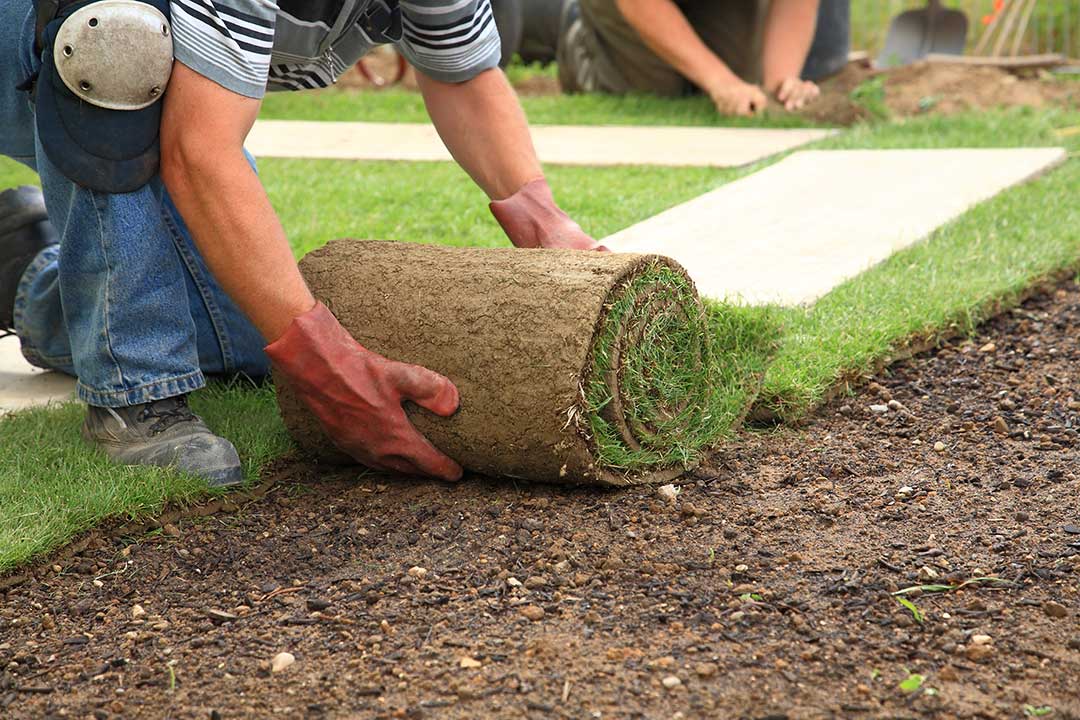
In Tippecanoe County, seasonal wet conditions can make soil especially vulnerable to compaction when people or equipment cross the lawn while it is soft. Later, the same compacted area may drain poorly during rain and dry quickly during hot weather.
A simple test is to compare the affected area with healthy turf. If the soil is hard, roots are shallow, and water runs off instead of soaking in, aeration and improved soil structure may be needed.
Can mowing cause brown grass?
Improper mowing can produce brown tips and weaken the entire lawn. Cutting too short removes too much leaf area, leaving the plant with less ability to produce energy and protect the soil surface.
Dull mower blades tear grass rather than making clean cuts. The damaged tips may appear tan or straw-colored, especially across a large area. Mowing wet turf can also leave clumps that shade and smother portions of the lawn.
A healthier mowing routine includes:
- Removing no more than about one-third of the blade height at a time
- Keeping mower blades sharp
- Varying mowing direction to reduce ruts
- Avoiding mowing saturated soil
- Leaving fine clippings in place when they do not form heavy piles
Brown tips across most of the lawn suggest a mowing issue more than a localized disease or insect problem.
What causes brown patches after winter?
Winter injury can result from cold temperatures, snow cover, ice, and repeated freezing and thawing. Grass may emerge slowly in spring, with flattened, matted, or discolored areas.
Snow mold may leave circular or irregular patches covered by white, gray, or pinkish material. These patches often improve as the weather dries and new growth begins. Raking gently can help separate matted blades, but aggressive raking may injure weak spring turf.
Salt and deicing materials can also damage grass along walks, roads, and driveways. Symptoms may appear as narrow strips or concentrated areas near places where snow was piled or meltwater drained.
What should be done first when a lawn develops brown patches?
Start with observation rather than treatment. Take note of when the patch appeared, whether the soil is wet or dry, and whether the grass pulls up easily.
A practical inspection includes:
- Checking soil moisture below the surface
- Looking at the shape and edge of the patch
- Examining individual blades for spots or fungal growth
- Pulling gently on the turf to check root attachment
- Looking for insect activity beneath the soil
- Reviewing recent mowing, fertilizing, pet activity, traffic, and weather
Water deeply but only when the soil needs it. Avoid adding fertilizer to severely stressed or dormant grass, since extra nutrients can increase disease risk or create additional root stress.
If the cause remains unclear, mark the edge of the patch and photograph it every few days. Changes in size, color, and texture often provide more useful information than a single inspection. A patch that continues expanding despite reasonable moisture deserves closer evaluation, particularly if the turf is loose, roots are damaged, or chemical exposure is possible.