

 See My Latest Article on HelloNation

Automatic sprinklers can keep a lawn green, but a basic timer often waters by the calendar instead of by actual need. A smart irrigation controller adjusts watering based on weather, soil moisture, or changing seasonal conditions, helping reduce waste while keeping turf and landscape plants adequately hydrated.
For households in Tippecanoe County, IN, this can be especially useful during periods when spring rainfall is frequent, summer conditions turn warmer and drier, or weather changes quickly from one week to the next.
What makes an irrigation controller “smart”?
A smart irrigation controller uses information about outdoor conditions to change the watering schedule. Traditional controllers usually run on a fixed program, such as “15 minutes every morning,” whether the soil is already wet or the weather has been dry.
The two main types are:
- Weather-based controllers, which use local weather information and landscape conditions to estimate how much water plants need.
- Soil-moisture-based controllers, which use sensors to measure moisture in the soil and delay irrigation when the ground is already sufficiently wet.
Some systems use both approaches. The goal is the same: avoid watering simply because the clock says it is time.
The U.S. Environmental Protection Agency estimates that a properly installed and operated WaterSense-labeled controller can reduce irrigation water use by approximately 15 to 30 percent, although actual savings vary by property, weather, system condition, and previous watering habits. ([nepis.epa.gov](https://nepis.epa.gov/Exe/ZyPURL.cgi?Dockey=P1018SRP.txt&utm_source=openai))
How does smart irrigation save water?
Smart controllers save water mainly by preventing unnecessary watering. A conventional timer may continue running after a substantial rainfall, during a cool week, or late in the season when lawn water needs have declined.
A responsive controller can:
- Skip or reduce watering after rain.
- Increase watering during extended dry conditions.
- Adjust watering as temperatures rise or fall.
- Apply different schedules to sunny and shaded areas.
- Reduce watering during cooler spring and fall weather.
- Pause irrigation during freezing conditions, depending on the system.
This matters because overwatering is not always obvious. Water can run beyond the root zone, collect in low areas, wash soil from beds, or flow onto sidewalks and driveways. On compacted or sloped ground, heavy applications may create runoff before the soil can absorb the water.
EPA reports that replacing a standard clock-based controller with a WaterSense-labeled controller can save an average home up to 15,000 gallons of water per year. That figure is a national estimate, not a guarantee for every property. ([epa.gov](https://www.epa.gov/watersense/watersense-labeled-controllers?utm_source=openai))
How can lower water use reduce household costs?
The financial savings come from using less metered water. The effect is greatest for homes with larger irrigated areas, multiple sprinkler zones, high summer watering demand, or water and sewer charges based partly on usage.
For example, a household that uses 50,000 gallons annually for irrigation and reduces that amount by 15 percent would use about 7,500 fewer gallons. The actual dollar savings depend on the local rate structure and whether irrigation water is billed separately from wastewater service.
A smart controller may also reduce indirect costs. Excessive watering can contribute to:
- Turf diseases associated with prolonged leaf wetness.
- Shallow root systems that become more dependent on frequent irrigation.
- Nutrient runoff and soil erosion.
- Muddy areas near downspouts or low sections of the lawn.
- Premature wear on pumps, valves, and other irrigation components.
The controller itself does not create savings automatically. Savings depend on correct programming, accurate zone information, working sprinkler equipment, and regular review of the schedule.
Is a smart controller useful in a seasonal climate?
Yes, but it should be managed as a seasonal tool rather than installed and ignored.
Lawns in Tippecanoe County experience meaningful changes in water demand across the growing season. In spring, rainfall may provide much of the moisture needed by established turf. During summer, higher temperatures and longer sunny periods can increase evaporation. In fall, cooler conditions generally reduce demand, even when the lawn remains green.
A fixed schedule may apply the same amount of water during all three periods. A smart controller can respond more closely to those changes, but its settings still need to reflect the property.
Important setup details include:
- Lawn and plant types in each zone.
- Soil type and drainage.
- Amount of sun and shade.
- Sprinkler output and coverage.
- Rooting depth and slope.
- Whether the zone contains turf, shrubs, trees, or planting beds.
A shaded lawn zone should not automatically receive the same schedule as a sunny area. Likewise, a planting bed with drip irrigation should not be treated like a zone using spray heads.
Does a smart controller fix an inefficient sprinkler system?
No. A smart controller improves scheduling, but it cannot correct broken heads, clogged nozzles, poor spacing, leaking valves, or severe pressure problems.
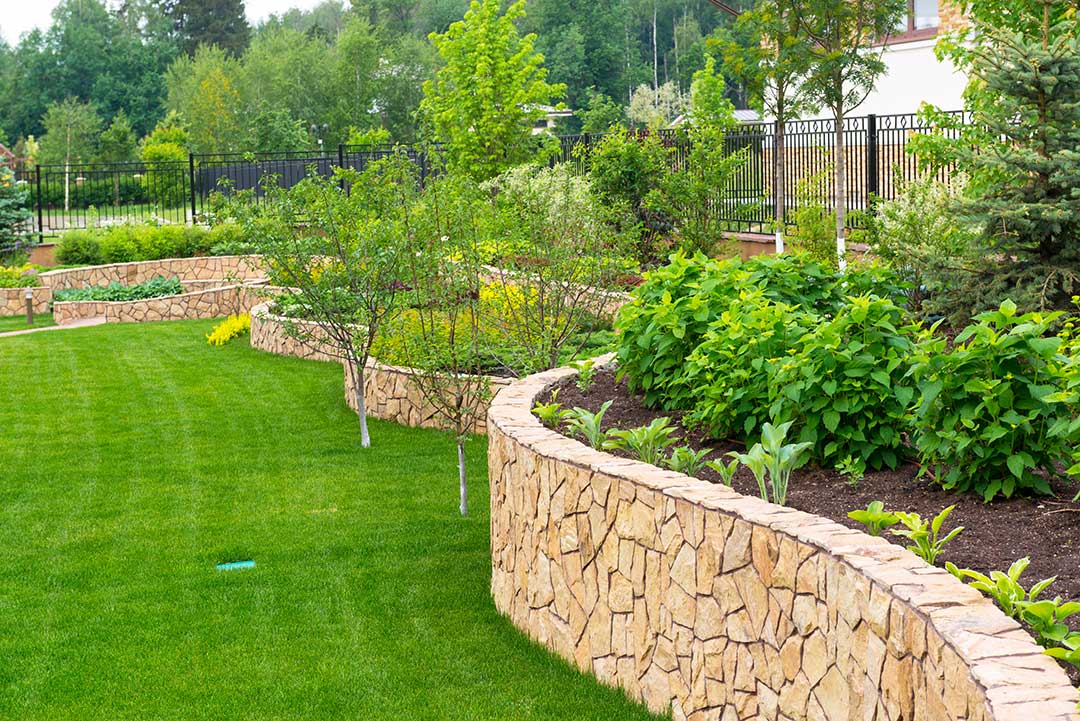
Before relying on automatic adjustments, run each zone and look for:
- Sprinklers spraying sidewalks, pavement, or building walls.
- Broken or tilted heads.
- Areas that remain dry while nearby sections are saturated.
- Water pooling at the bottom of a slope.
- Mist or fog caused by excessive pressure.
- Leaks that continue after a zone shuts off.
A controller may reduce the number of watering events, but a damaged system can still waste water during every cycle. In some cases, repairing coverage problems produces more immediate savings than replacing the controller.
How should watering schedules be set?
The best schedule depends on the soil, sprinkler type, and condition of the lawn. A practical approach is to water deeply enough to moisten the active root zone, then allow the surface to dry somewhat before watering again.
Short, repeated cycles are often useful on sloped or compacted ground because they allow water to soak in gradually. This method, sometimes called cycle-and-soak watering, can reduce runoff.
A smart controller should not be programmed to keep the lawn constantly wet. Frequent shallow irrigation can encourage shallow roots and may increase disease pressure. Turf color, soil moisture, footprints that remain visible, and overall plant condition provide useful clues about whether the schedule is appropriate.
After installation or seasonal start-up, observe the lawn rather than assuming the default settings are correct. A schedule that works in early summer may be excessive during a rainy period or insufficient during an extended dry spell.
Are smart irrigation controllers worth the cost?
They can be, particularly when an automatic irrigation system is already installed and the existing timer is outdated or frequently adjusted by hand.
The financial return depends on:
- Current irrigation water use.
- Local water and sewer rates.
- Size of the irrigated landscape.
- Cost of the controller and installation.
- Condition of the sprinkler system.
- How carefully the system is programmed and maintained.
EPA savings estimates are averages, and individual results can be lower or higher. EPA also cautions that improper installation, incorrect settings, or manual overrides can prevent a controller from achieving expected savings. ([nepis.epa.gov](https://nepis.epa.gov/Exe/ZyPURL.cgi?Dockey=P1018SRP.txt&utm_source=openai))
For residents comparing options, an independently certified WaterSense-labeled controller provides a useful performance benchmark. It does not eliminate the need for inspection, seasonal adjustment, or common-sense observation, but it indicates that the controller has been evaluated against efficiency and performance criteria.
What should homeowners check each season?
At the beginning of the watering season, inspect the system before setting a long-term schedule. Check the date and time, replace damaged batteries if applicable, confirm that rain or soil sensors are connected, and review each zone’s plant type and exposure.
During the season, examine the lawn after irrigation and after rainfall. If water is running into the street, puddling, or producing consistently wet areas, the problem may involve the sprinkler system rather than the controller.
Before winter, irrigation systems should be shut down according to the equipment and property conditions. In climates with freezing temperatures, exposed components and buried lines may require appropriate winter preparation to reduce the risk of freeze damage.
Smart irrigation works best as part of a complete watering strategy: sound sprinkler coverage, reasonable mowing practices, healthy soil, and schedules that respond to actual conditions. The controller provides useful information and automation, but the most important savings come from using only the water the landscape can absorb and the plants can use.