

 See My Latest Article on HelloNation
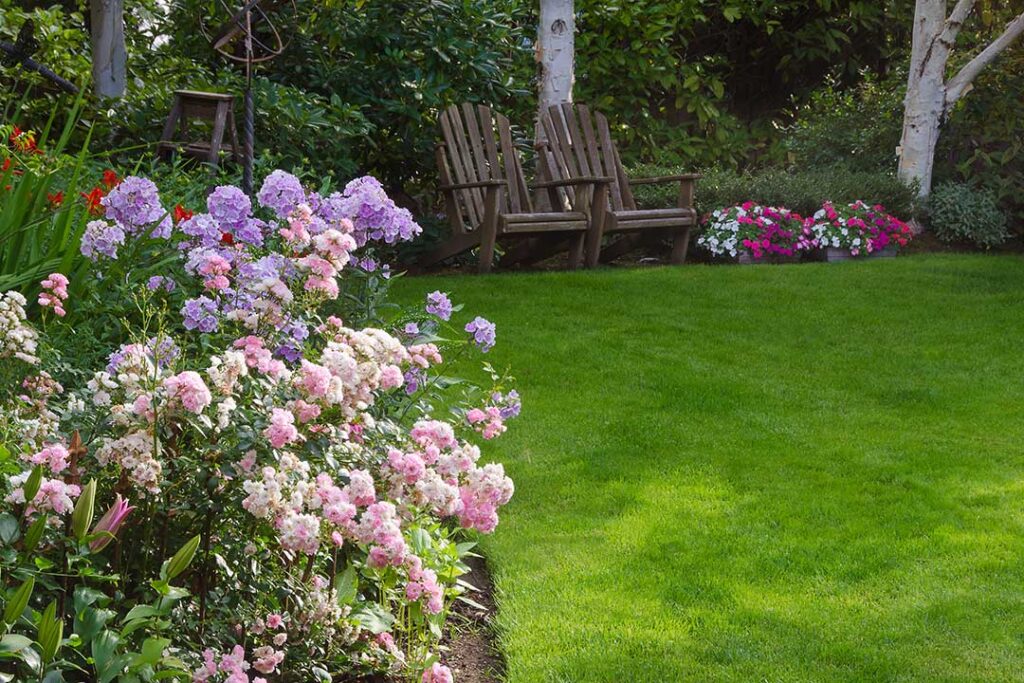
Choosing between a patio and a deck depends on more than appearance. The right hardscape option should fit the yard’s slope, drainage, soil conditions, intended use, maintenance preferences, and the way the home connects to outdoor space.
For households in Tippecanoe County, IN, seasonal freezing, spring moisture, summer heat, and varying lot elevations can all affect how a patio or deck performs over time. Neither option is automatically better. The better choice is the one that suits the property and the household’s everyday habits.
Which is usually better: a patio or a deck?
A patio is often the better fit for a relatively level yard, ground-level entertaining, and homeowners who prefer a solid surface with limited routine maintenance. A deck is usually more practical when the home’s main living areas are elevated, the yard slopes sharply, or direct access from an upper floor is important.
The basic differences are straightforward:
- Patios sit on or slightly above the ground.
- Decks are raised structures supported by posts, beams, and footings.
- Patios typically use concrete, pavers, brick, or natural stone.
- Decks commonly use treated wood, composite boards, or other outdoor-rated materials.
A patio can make a yard feel more connected to the lawn and garden. A deck creates a defined platform and may provide a more direct transition from an elevated doorway.
How does the slope of the yard affect the decision?
Yard slope is one of the most useful starting points. A patio is easiest to build on level or gently sloping ground. On a steep grade, creating a stable, properly drained patio may require substantial excavation, retaining walls, or multiple levels.
A deck can often span uneven ground with less disruption to the existing grade. Because it is elevated, it may work well where the ground drops away from the house. The space beneath a deck can remain open, although it still needs to be managed so water does not collect near the foundation.
That does not mean a deck is always the simpler answer on a slope. Its posts, footings, stairs, railing, and structural connections must be designed correctly. A poorly supported raised structure can develop movement, unevenness, or safety problems.
Which option handles Tippecanoe County weather better?
Both materials can perform well when installed and maintained correctly. The main challenge is managing moisture and freeze-thaw movement rather than simply choosing one material over another.
Patios may experience:
- Cracking from soil movement or frost-related shifting
- Settling caused by inadequate base preparation
- Water pooling if the surface does not slope away from the home
- Weeds or joint erosion between pavers
- Surface wear from salt, snow removal, and repeated wetting
Decks may experience:
- Moisture-related deterioration at posts, joists, stairs, and fasteners
- Fading or staining from sunlight and precipitation
- Warping, splitting, or surface roughness in wood boards
- Ice and snow accumulation
- Drainage concerns beneath the structure
In this region, spring inspections are especially useful. Look for standing water, shifted pavers, widening cracks, soft wood, loose railings, damaged stairs, and places where soil has pulled away from posts or foundations.
Which requires less maintenance?
A patio generally requires less ongoing maintenance than a wood deck, although it is not maintenance-free. Routine care may include sweeping, removing organic debris, controlling weeds in joints, washing the surface, and occasionally replacing joint material or applying a suitable sealer.
Wood decks require more regular attention. Boards may need cleaning and periodic staining or sealing, depending on exposure and the product used. Fasteners, stairs, railings, and ledger connections should also be checked. Composite decking reduces the need for staining, but it still needs cleaning and inspection.
A patio can be the better choice for households that do not want a recurring maintenance schedule. A deck may still be worthwhile when its height, access, or appearance provides a clear daily benefit.
Is a patio or deck better for entertaining?
The answer depends on how the space will be used. Patios are convenient for ground-level gatherings, outdoor dining, fire features designed for approved surfaces, and furniture that may be heavy or frequently rearranged. They also provide easier access for people who prefer to avoid stairs.
Decks can feel more like an extension of the home, particularly when located outside a kitchen, dining area, or elevated family room. A raised deck may offer better views and can create a comfortable outdoor room above a sloping yard.
Furniture placement matters in either case. Leave enough clearance for walking, opening doors, moving chairs, and maintaining the surrounding lawn. A hardscape that is technically large enough may still feel cramped if the layout does not account for circulation.
What is safer for children, older adults, and pets?
A ground-level patio usually presents fewer fall hazards because it does not require stairs or elevated railings. It may also be easier for pets to access and for older adults to navigate.
Decks can be safe when stairs, railings, lighting, and walking surfaces are properly designed. However, elevated structures introduce additional concerns, including stair geometry, railing spacing, slippery boards, and ice buildup. Gates may be useful where pets or young children use the space.
The surrounding transition deserves attention as well. A sudden drop from the patio to the lawn, uneven edging, exposed roots, or poorly drained paths can create hazards even when the main surface is sound.
How do patios and decks affect lawn care?
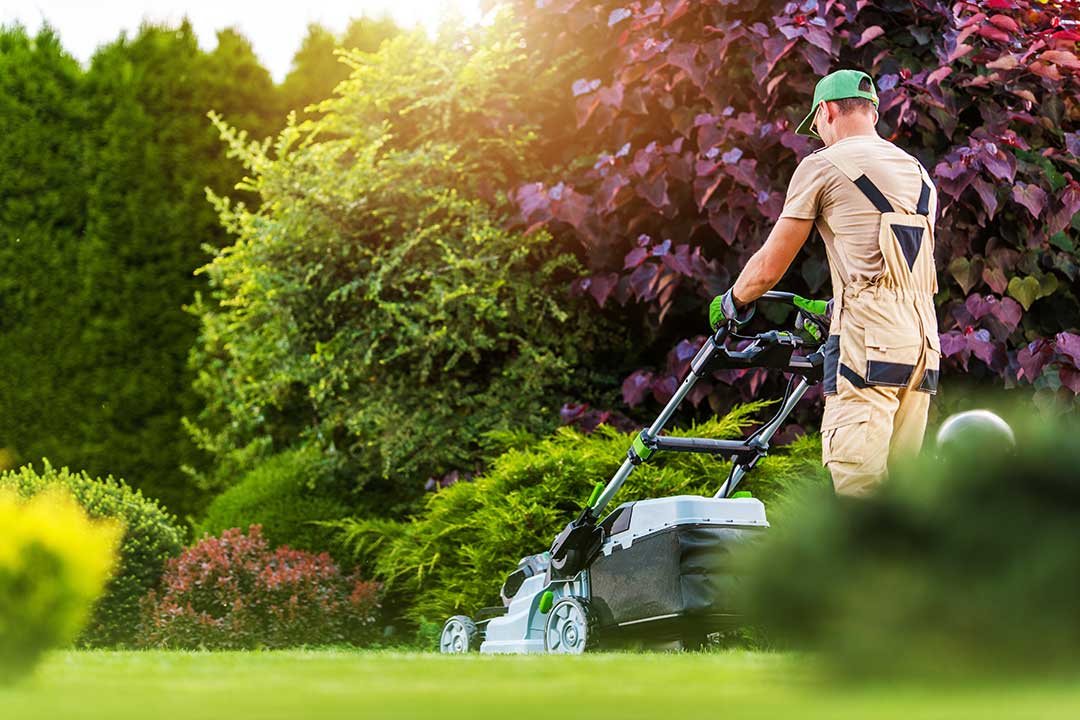
A patio usually creates a clean boundary between hardscape and turf. That can simplify mowing, but edging must be planned so grass does not grow over pavers or into cracks. Water runoff should not be directed toward a low area where it damages the lawn or causes muddy conditions.
A deck may reduce the amount of lawn directly beside the house, but the area beneath and around it can be difficult to mow. Shade may thin the grass, leaving bare soil or encouraging moss and moisture-loving plants. In some yards, mulch, gravel, or shade-tolerant groundcover is more practical beneath a raised deck than turf.
Snow storage also matters. Snow pushed from a patio or deck should not block drainage routes, bury shrubs, or pile against the home’s foundation.
Which option lasts longer?
Service life depends heavily on design, materials, installation quality, drainage, and maintenance. A well-built patio can last for many years, but it may require localized repairs if sections settle or crack. Individual pavers are usually easier to replace than a large continuous slab.
A deck’s lifespan varies significantly by material and exposure. Wood components may need replacement sooner in areas that stay damp or receive poor airflow. Composite boards can resist some forms of deterioration, but the supporting frame still needs regular inspection.
The most durable choice is not necessarily the material with the longest advertised lifespan. Proper slope, drainage, soil preparation, ventilation, fastening, and connection to the house often matter just as much.
What should be checked before building?
Before choosing a design, examine the practical conditions around the home:
- How much space is available after setbacks, easements, and property boundaries are considered?
- Does water currently collect near the proposed location?
- Is the soil stable, or has the area been filled, disturbed, or recently graded?
- Will the structure interfere with downspouts, utility access, trees, or underground drainage?
- Are stairs, railings, retaining walls, or lighting needed?
- Will local building requirements apply to the height, attachment, or placement of the structure?
Permits and property rules can vary by project details. Raised decks, attached structures, retaining walls, and drainage changes may receive more scrutiny than a simple ground-level improvement. Confirm applicable requirements before construction begins.
A simple way to choose
A patio is often the better match if the priority is:
- Low elevation
- Easy access from the yard
- Minimal structural maintenance
- Flexible furniture placement
- A surface that visually blends with landscaping
A deck may be more suitable when the priority is:
- Direct access from an elevated doorway
- A usable outdoor area over sloped ground
- Better separation from wet or uneven soil
- An elevated view
- A defined outdoor room connected to the home
The choice should support both the house and the surrounding landscape. A patio may be the most practical solution for a level lawn, while a deck may solve access and grade problems that would make a patio unnecessarily complicated. In either case, drainage, safe transitions, and compatibility with lawn maintenance deserve as much attention as color and appearance.