

 See My Latest Article on HelloNation
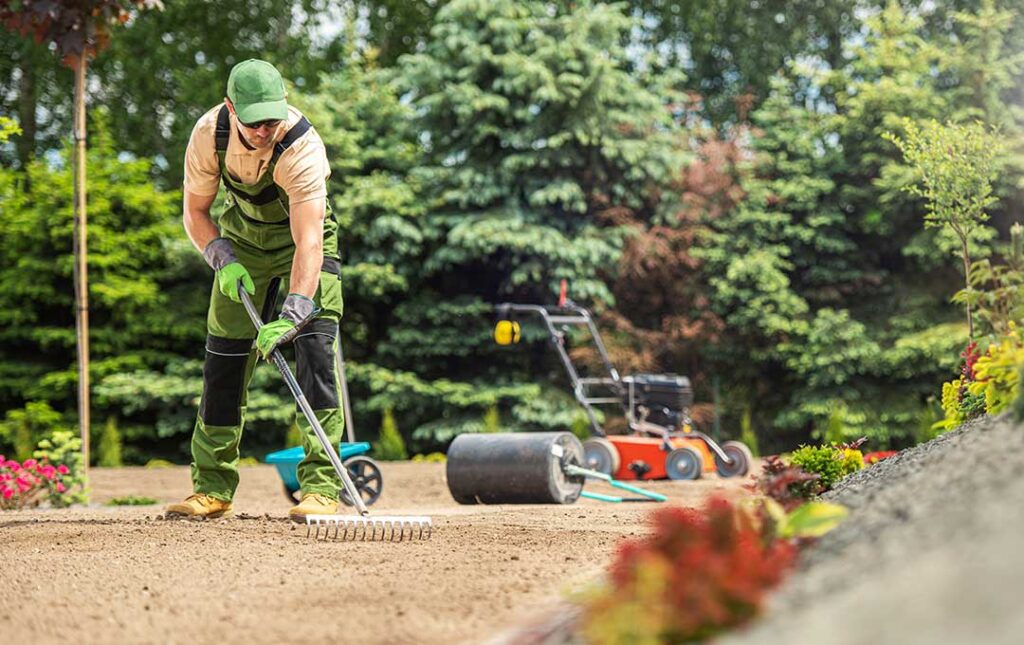
Crabgrass is a warm-season annual weed that appears when thin areas of cool-season turf begin to warm in spring. In Tippecanoe County, IN, prevention usually depends on three things: maintaining dense grass, correcting bare or compacted soil, and applying a crabgrass preventer before the weed germinates.
Why does crabgrass keep returning?
Crabgrass returns because one season of mature plants can produce a large number of seeds. Those seeds remain in the soil through winter and may germinate the following spring when soil temperatures rise.
The weed is especially likely to appear where lawn grass is weakened or missing, including:
- Bare spots caused by foot traffic, pets, construction, or winter damage
- Thin turf beneath trees or near large shrubs
- Soil compacted by vehicles, play equipment, or repeated walking
- Areas receiving too much water or poor drainage
- Lawn edges beside driveways, sidewalks, and streets
- Places where grass is cut very short or scalped in spring
Crabgrass is a summer annual. It grows during warm weather, produces seed, and dies after the first hard frosts. Removing visible plants before they produce seed can reduce future problems, but it does not eliminate seeds already present in the soil.
When should crabgrass prevention begin?
Crabgrass preventers must be applied before crabgrass seedlings emerge. In central Indiana, the most useful application period is generally early to mid-spring, often from late March through mid-April, although the correct timing changes with weather and soil conditions.
A better guide than the calendar is soil temperature. Crabgrass commonly begins germinating when the soil near the surface reaches approximately 55 degrees Fahrenheit for several days. Warm, sunny areas near pavement may reach this temperature earlier than shaded or poorly drained parts of the lawn.
Applying too early can reduce the effective protection period before crabgrass germinates. Applying too late may allow seedlings to emerge before the product can prevent them. Watch for a sustained spring warming trend rather than relying on one unusually warm afternoon.
Weather in the area can shift from cool and wet to warm quickly, so spring timing should be treated as a window rather than a single fixed date.
How do crabgrass preventers work?
Most crabgrass preventers are pre-emergence herbicides. They form a treated zone near the soil surface that stops newly germinating crabgrass seedlings before they become established.
These products do not work well on large, mature crabgrass plants. They also do not repair bare soil or improve weak turf. Their effectiveness depends on proper timing, even coverage, and enough moisture to move the product into the upper soil surface.
Always read and follow the product label. The label determines:
- Which grass species can safely receive the product
- How much material to apply
- Whether the product must be watered in
- How long to wait before seeding
- Any restrictions involving pets, children, drainage, or nearby water
Avoid applying more than the labeled rate. Excess product does not necessarily provide better control and can increase the risk of turf injury or environmental movement.
Can a lawn be seeded and treated for crabgrass at the same time?
Usually, no. Many common crabgrass preventers also prevent desirable grass seed from germinating. This creates a timing conflict in spring: a product that stops crabgrass may also stop newly planted lawn seed.
If spring seeding is necessary, check the label carefully for an active ingredient specifically approved for use during establishment of the intended grass. Otherwise, it is often more practical to control crabgrass in spring and repair larger thin areas during the preferred late-summer seeding period for cool-season lawns.
Small bare spots can sometimes be repaired after the spring prevention window has passed, but successful establishment depends on adequate moisture, good seed-to-soil contact, and protection from traffic.
How does mowing help prevent crabgrass?
Proper mowing makes the existing lawn more competitive. Most cool-season turf performs better when it is not cut extremely short. Removing more than one-third of the leaf blade at one time can stress the grass and expose soil to sunlight.
A practical mowing approach includes:
- Mowing often enough to avoid removing excessive leaf tissue
- Keeping the blade sharp so grass is cut cleanly
- Adjusting mowing height to the turf species and site conditions
- Avoiding scalping during the first spring mowing
- Letting clippings remain when the lawn is healthy and clippings are not excessively heavy
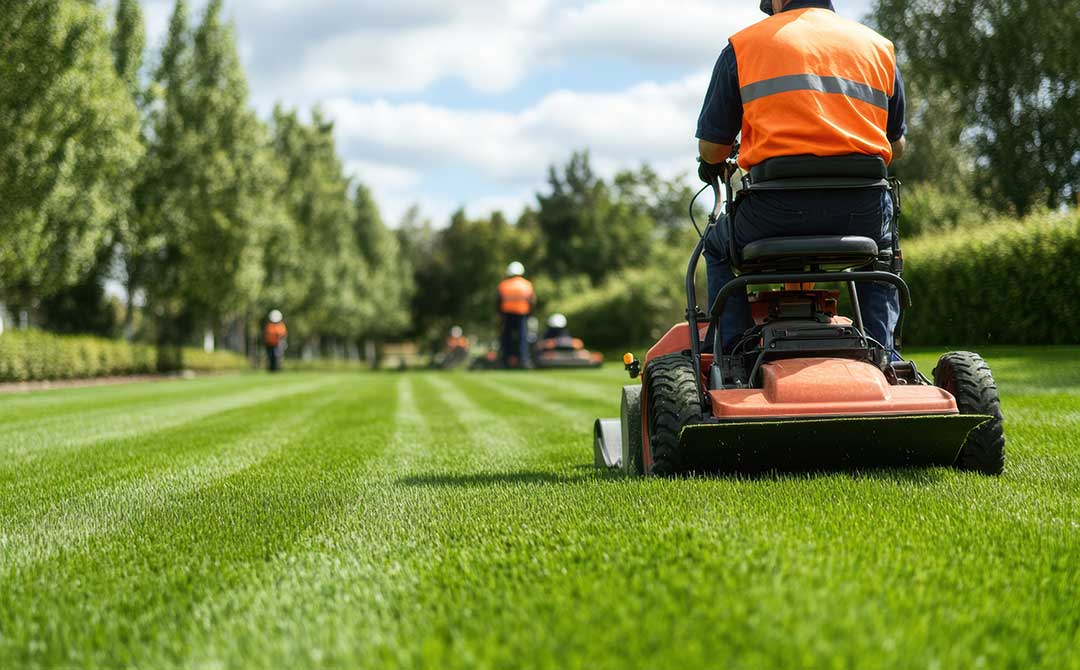
Very short mowing favors low-growing weeds and increases sunlight at the soil surface. Taller, well-maintained turf shades the soil and reduces the open space crabgrass needs to establish.
What lawn conditions make crabgrass worse?
Fertilizer alone will not solve a crabgrass problem. The main goal is to improve the conditions that allow desirable grass to fill open space.
Compacted soil restricts roots, air, and water movement. Core aeration can help relieve compaction in heavily used areas, especially when the soil remains firm and water runs off instead of soaking in. Aeration is most useful when followed by practices that encourage turf recovery, such as appropriate fertilization, overseeding, and consistent watering.
Overwatering can weaken turf and encourage shallow rooting. Irrigate deeply enough to moisten the root zone, then allow the surface to dry somewhat before watering again. During hot, dry periods, newly seeded areas need more frequent attention than established turf.
Shade is another common challenge. If grass repeatedly thins beneath trees, the solution may involve pruning, using a more shade-tolerant turf mixture, or replacing turf with a suitable groundcover or landscape bed. A crabgrass preventer cannot make a grass species thrive where light is inadequate.
What should be done if crabgrass is already visible?
Small plants can often be pulled by hand when the soil is moist. Remove the entire plant before seed heads develop, and avoid leaving uprooted plants in contact with bare soil if they have already formed seeds.
Post-emergence herbicides may control young crabgrass, but results become less reliable as plants grow larger. Some products can injure desirable turf, particularly during hot weather or when the lawn is drought-stressed. Identify the weed and confirm that the product is labeled for the grass species present before applying anything.
Large patches that appear late in summer may be easier to manage by mowing before seed production, improving the soil afterward, and planning a fall repair. Dead crabgrass will leave open spaces, so the underlying lawn condition still needs attention.
What is the most reliable long-term plan?
A dependable crabgrass prevention plan combines seasonal habits:
- Improve thin areas during the appropriate seeding season.
- Mow at a height that protects the soil surface.
- Reduce compaction in high-traffic areas.
- Water deeply and avoid frequent, shallow irrigation.
- Apply pre-emergence control before crabgrass germinates when past infestations justify it.
- Remove mature crabgrass before it produces seed.
- Keep fertilizer applications appropriate for the turf and season.
No lawn treatment prevents every plant in every location. However, dense turf, accurate spring timing, and attention to bare or compacted soil can substantially reduce crabgrass pressure in residential lawns throughout the area.